
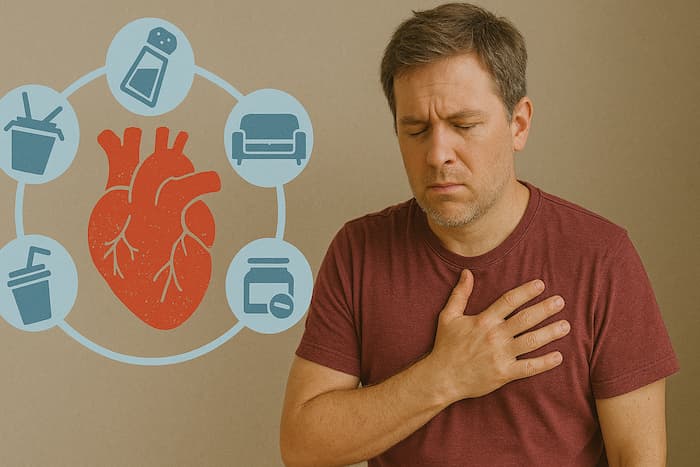
You do not want a lecture. Here is the blunt, science-backed truth: it is not always the dramatic things that cause slow cardiovascular damage. Often it is small daily habits, repeated quietly, that add up to meaningful risk.
Below are five habits that sneak up on your heart health, why they are harmful, and practical fixes in HealthyHold style.
Habit 1: Sitting for long stretches
Why it is a problem
Prolonged sitting, especially uninterrupted sitting, is linked to higher rates of cardiovascular disease and mortality, even in people who exercise. Long sitting periods disrupt blood sugar regulation, circulation, and blood pressure control.
Quick fixes
- Every 30 to 45 minutes, stand and move for 2 to 5 minutes.
- Use a standing or adjustable desk part of the day.
- Replace one seated meeting with a short walking meeting.
Why it helps
Breaking up sitting time improves blood glucose and blood pressure responses, reducing long-term strain on blood vessels.
Habit 2: Not sleeping enough or sleeping poorly
Why it is a problem
Short sleep and poor-quality sleep are associated with higher risks of coronary heart disease, stroke, and cardiovascular death. Sleep regulates blood pressure, inflammation, glucose metabolism, and autonomic balance.
Quick fixes
- Aim for consistent 7 to 8 hours of sleep each night.
- Keep screens out of bed for one hour before sleep and dim lights in the evening.
- Address sleep issues early rather than tolerating chronic poor sleep.
Why it helps
Better sleep reduces nighttime blood pressure spikes, lowers inflammation, and decreases chronic stress on the cardiovascular system.
Habit 3: Relying on ultra-processed foods
Why it is a problem
Frequent consumption of ultra-processed foods is linked with higher risks of cardiovascular disease, stroke, and overall mortality. These foods often contain refined carbohydrates, excessive sodium, added fats, additives, and low-quality nutrients.
Quick fixes
- Treat ultra-processed foods as occasional, not daily.
- Build meals around whole foods: vegetables, pulses, lean protein, and whole grains.
- Batch-cook simple whole-food lunches to reduce reliance on convenience foods.
Why it helps
Replacing ultra-processed foods with minimally processed alternatives improves blood lipids, blood pressure, and glucose control.
Habit 4: Chronic stress, social isolation, or loneliness
Why it is a problem
Long-term stress, loneliness, and poor social ties are linked to higher incidence of coronary heart disease and stroke. Mechanisms include chronic inflammation, disturbed autonomic function, poor sleep, and unhealthy coping behaviors.
Quick fixes
- Schedule regular low-effort social contact such as calls, walks, or shared meals.
- Build short stress breaks into your day.
- Seek expert support if stress or anxiety feels overwhelming.
Why it helps
Better stress management and stronger social connections reduce inflammatory markers and decrease reliance on unhealthy coping habits that harm heart health.
Habit 5: Consuming high added sugar and sugary drinks
Why it is a problem
High intake of added sugars, especially through sugar-sweetened beverages, is associated with increased cardiovascular disease risk and mortality. Even moderate excesses can raise long-term risk.
Quick fixes
- Swap one sugary drink per day for water, sparkling water with lime, or unsweetened tea.
- Read labels carefully and check total sugar grams.
- Use whole fruit to satisfy sweet cravings.
Why it helps
Lower added sugar intake improves blood lipids, reduces insulin spikes, decreases weight gain, and lowers risk of diabetes.
What to start tomorrow morning
Pick one habit and improve it for the week. Small, consistent changes outperform dramatic ones that you cannot maintain.
Example plan
- Day 1: Stand up every 30 minutes.
- Day 3: Swap one sugary drink for water.
- Day 5: Add one whole-food lunch instead of a processed meal.
- Day 7: Set a consistent bedtime and turn screens off 45 minutes before sleep.
Your heart is not an on-off switch. It is the sum of small habits repeated over years. Replace a few tiny harmful habits with tiny acts of care, and you will stack wins for decades.