
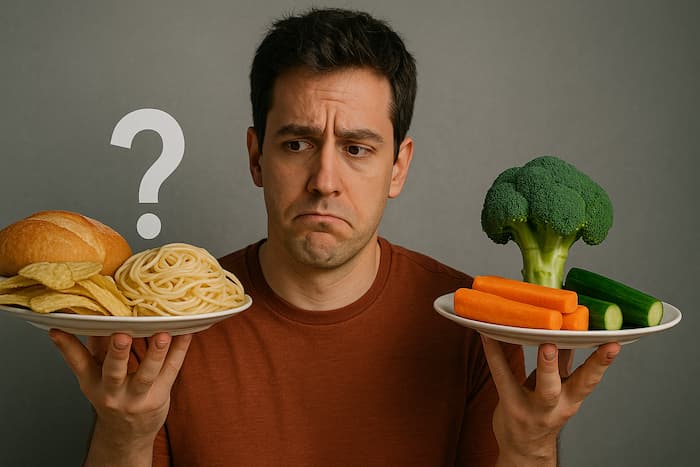
“Carbs make you fat.” “Cut carbs and watch the magic happen.” “Bread is the enemy.”
Sound familiar? The poor carbohydrate has been blamed for every extra inch around the waistline. But here’s the twist: carbs aren’t the real villain. The story is far more nuanced, and science agrees.
Let’s break down why carbs get such a bad reputation, why people cut them first, and what really happens when you do.
First Things First: What Are Carbs?
Carbs are simply your body’s main source of energy. When you eat them, your body breaks them into glucose, which fuels your brain, muscles, and organs. If you eat more than you need, that extra glucose is stored, first as glycogen (in muscles and liver), and then as fat.
So yes, carbs can contribute to weight gain, but not because they are harmful. It’s mostly about how much and what type you eat.
Why People Ditch Carbs the Moment They Say “Diet”
Cutting carbs feels like a bold move. But here’s what’s really going on:
- Insulin response: When you eat carbs, your insulin levels rise. Too many refined carbs can cause frequent insulin spikes, which may increase fat storage.
- Quick results: Cutting carbs often causes your body to lose glycogen and water, so you see fast weight loss, even if it’s not all fat.
- Less junk: Ditching carbs often means cutting out processed foods like biscuits, bread, pastries, and sugar-laden snacks, which naturally reduces calories.
- Appetite control: Low-carb diets are often higher in protein and fat, which help you stay fuller for longer.
So the initial weight drop is real, but partly because of water loss and reduced calorie intake, not magic.
The Big Question: Are Carbs Really the Problem?
No. Not if you choose them wisely.
Research consistently shows that it’s not the carbs themselves, but the type of carbs that matter. Whole, fibre-rich carbs like oats, dal, brown rice, fruits, and vegetables digest slowly, keep you full, and help stabilize blood sugar.
The real troublemakers are refined carbs such as white bread, maida, pastries, and sugary drinks. These spike blood sugar quickly and leave you hungry again soon after.
A large review in Frontiers in Nutrition found that while low-carb diets may help you lose more weight in the short term (6 to 12 months), after one year, results were similar to balanced diets when total calories were controlled.
Cutting carbs may start the weight loss journey, but it is not the long-term solution.
How Low-Carb Works (and Why It Feels Effective)
When you lower your carb intake:
- Your body produces less insulin, allowing fat to be used for energy.
- You retain less water because glycogen binds water, so you feel lighter.
- You may burn more stored fat initially.
- You often eat fewer total calories because higher protein and fat foods keep you fuller.
These are good effects, but your body also likes balance. Going too low on carbs for too long may make you feel tired, reduce workout performance, or cause digestion issues because most fibre comes from carbohydrate foods.
The Balanced Truth: Carbs Are Not the Enemy
Carbs are not the problem; the quality and quantity matter.
Here’s the HealthyHold rulebook:
- Choose smart carbs: whole grains, millets, oats, legumes, fruits, and vegetables.
- Limit refined carbs: white bread, sugar, sweets, fried snacks.
- Balance your plate: combine carbs with protein, such as dal with rice or roti with paneer, for better blood sugar control.
- Time it right: eat more carbs earlier in the day or around your workouts when your body uses them efficiently.
Weight loss happens when you eat fewer calories than you burn, regardless of where those calories come from. Carbs can help or hurt that process depending on your choices.
Don’t fear carbs. Fear the wrong carbs, eaten at the wrong time, in the wrong amounts.
Cutting them may give you a quick start, but learning how to eat them correctly will help you stay consistent.
So the next time someone says, “I’ve gone no-carb,” just smile and say, “Cool. I prefer smart carbs—they work overtime for me.”