
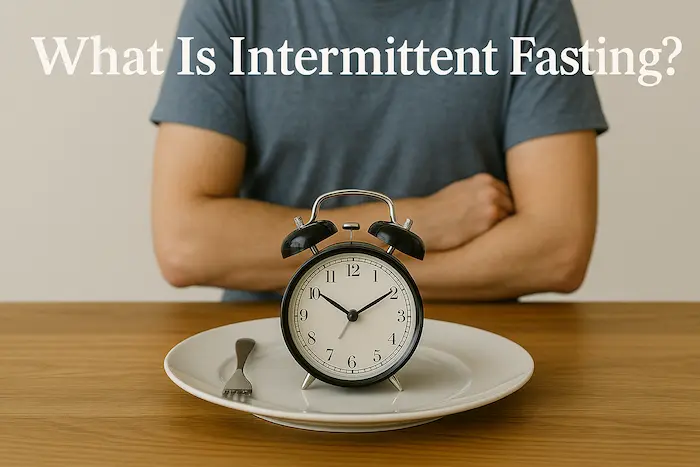
What is Intermittent Fasting?
Intermittent fasting is not about what you eat, but when you eat. It involves cycling between periods of eating and fasting. Think of it as a culinary time-out! Instead of counting calories, you’re counting hours. Popular methods include:
- 16:8 Method: Fast for 16 hours and eat during an 8-hour window. It’s like skipping breakfast but giving yourself permission to have a feast at lunch and dinner!
- 5:2 Diet: Eat normally for five days of the week and restrict calories to about 500-600 on two non-consecutive days. So, you can enjoy your pizza, just not on those two days—let the cravings begin!
- 18:6 Method: In the 18:6 method, you fast for 18 hours and have a 6-hour eating window. For example, if you finish dinner at 6 PM, you wouldn't eat again until noon the next day.
- 20:4 Method: The 20:4 method is more restrictive, allowing just a 4-hour eating window. This is often referred to as the 'Warrior Diet,' where you fast for 20 hours and eat during a short period.
Intermittent fasting has been linked to various health benefits, making it a potential game-changer for your wellness routine:
- Weight Loss: By limiting your eating window, you might consume fewer calories, leading to weight loss. Plus, fasting can increase your metabolism. It's like giving your body a turbo boost!
- Improved Metabolic Health: Intermittent Fasting can lower insulin levels, reduce inflammation, and improve blood sugar control. Basically, it gives your body a little reset button.
- Brain Health: Studies suggest that intermittent fasting can enhance brain function and may even help ward off diseases like Alzheimer’s. Who wouldn’t want a sharper mind for those crossword puzzles?
- Longevity: Some research indicates that fasting can extend lifespan—though I’m still waiting for someone to prove that missing a few meals actually adds years to your life!
How to Follow Intermittent Fasting?
- Start Slowly: If you’re new to fasting, ease into it. Try skipping breakfast and gradually extend your fasting window. Your stomach will appreciate the gentle approach!
- Stay Hydrated: Drink plenty of water, herbal teas, or black coffee during fasting hours. This will help curb hunger and keep you feeling fresh—like a morning person, even if you’re not!
- Mind Your Meals: When it’s time to eat, focus on nutritious foods. Load up on veggies, lean proteins, and healthy fats. Think of your body as a high-performance vehicle—you wouldn’t fill it with junk, would you?
- Listen to Your Body: Fasting isn’t for everyone. If you feel dizzy or unwell, it might be time to reassess. Your health should always come first!
- Stay Consistent: Like a gym routine, consistency is key. Pick a method that fits your lifestyle and stick with it for the best results.
Intermittent fasting offers a flexible approach to eating that can fit various lifestyles and health goals. With its potential benefits and the comedic twist of ‘fasting,’ it’s worth considering if you’re looking for a new dietary strategy. Just remember, while fasting can be beneficial, it’s essential to find what works best for you. Happy fasting!