
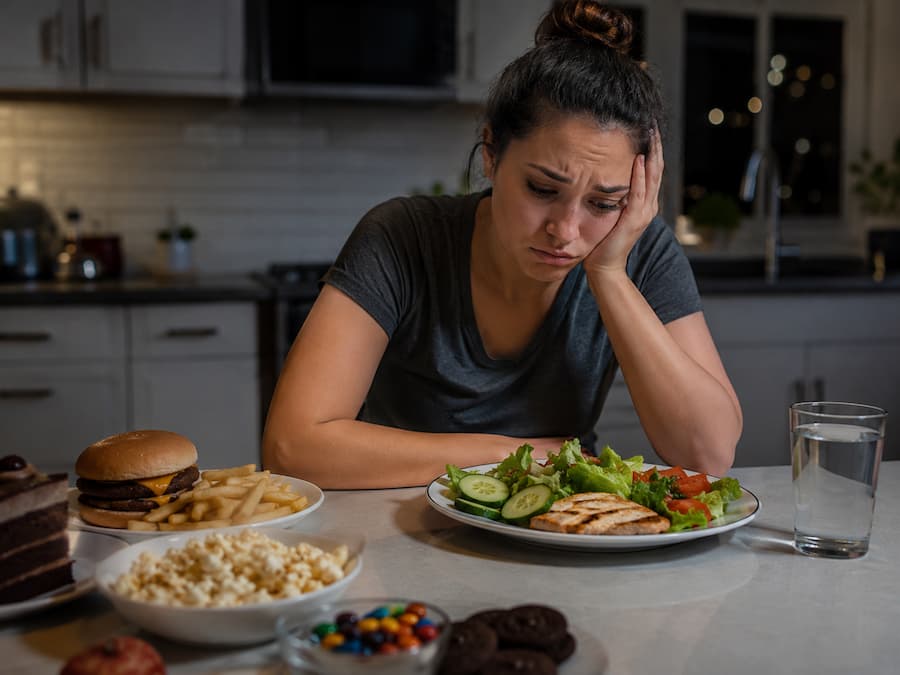
You start on a Monday.
The fridge suddenly looks healthier than a wellness influencer’s kitchen. Sugar is gone. Snacks are gone. Motivation is high. You even convince yourself that boiled broccoli is ‘actually not that bad.’
Then somewhere around Day 10 or Day 14, reality enters the chat.
Work stress increases. A dinner outing happens. Cravings hit harder. Energy drops. And the diet that looked perfect on paper quietly disappears.
This cycle is extremely common.
Research consistently shows that many restrictive diets fail not because people lack discipline, but because the plan itself becomes difficult to sustain in real-world conditions.
The good news is that sustainable weight loss does not require suffering through extreme routines, starvation, or pretending you enjoy dry salad every day.
It requires understanding why diets fail in the first place.
The Problem Is Usually Not Motivation
Most people begin a diet highly motivated.
The problem is that motivation is temporary, while eating habits are deeply tied to:
- routine
- emotions
- convenience
- stress
- social life
- sleep
- hunger hormones
A diet built only on willpower is like trying to charge your phone with 1 percent battery and hoping it lasts all week.
Behavioral research shows that sustainable habits work better when they fit naturally into a person’s lifestyle instead of constantly fighting against it.
Restrictive Diets Increase the Chances of Rebound Eating
One of the biggest reasons diets fail is excessive restriction.
Many weight loss plans immediately remove:
- carbohydrates
- favorite foods
- snacks
- desserts
- eating out
- flexibility
Initially, this creates fast progress, mostly from water loss and reduced calorie intake.
But over time, the body responds by increasing hunger signals.
Hormones like ghrelin, often called the hunger hormone, can rise during aggressive dieting. At the same time, energy levels and satiety may decrease.
This is why many people suddenly feel intense cravings after a week or two of strict dieting.
The brain is not trying to sabotage you. It is trying to protect energy balance.
Unrealistic Diet Plans Ignore Real Life
A diet may look great in a spreadsheet. Real life is less cooperative.
Most people are balancing:
- work meetings
- family responsibilities
- travel
- poor sleep
- stress
- social events
- unpredictable schedules
A plan that requires cooking six perfect meals daily or measuring every grain of rice often becomes mentally exhausting.
This is one reason simple, flexible meal structures tend to work better long term.
For example:
- adding more protein to existing meals
- improving portion awareness
- increasing fiber intake
- reducing liquid calories
- walking consistently
These changes sound less dramatic, but they are usually easier to maintain.
And sustainable habits beat extreme short-term efforts almost every time.
Fast Weight Loss Expectations Create Frustration
Many people expect dramatic results within days.
Social media has not helped.
Somewhere online, a person is always claiming they lost 10 kilos in 10 days while drinking celery juice under a full moon.
The reality is that healthy fat loss is usually gradual.
Weight naturally fluctuates due to:
- hydration
- sodium intake
- digestion
- hormones
- sleep
- stress
This means the scale may not move linearly even when progress is happening.
When expectations are unrealistic, people often quit early because they believe the process is not working.
The ‘Healthy Food’ Trap
Another hidden reason diets fail is overeating foods labeled as healthy.
Foods like:
- granola
- smoothies
- nut butters
- protein bars
- trail mix
- fruit juices
can still become calorie-dense when portions are ignored.
Healthy food is beneficial. But calories still matter.
A salad becomes surprisingly less innocent when it contains enough dressing to qualify as a small swimming pool.
Poor Protein and Fiber Intake Increases Hunger
Many diets focus only on reducing calories while ignoring satiety.
Protein and fiber help increase fullness and support appetite regulation.
Meals low in protein and fiber often lead to:
- faster hunger
- cravings
- low energy
- overeating later
This is why balanced meals usually work better than highly restrictive ones.
A practical weight loss meal often includes:
- protein source
- fiber-rich vegetables or fruits
- complex carbohydrates
- healthy fats
The goal is not perfection. The goal is sustainability.
Sleep and Stress Quietly Affect Weight Loss
People often underestimate how strongly sleep and stress influence eating behavior.
Poor sleep can increase hunger hormones and reduce impulse control around food.
Stress can also increase emotional eating and cravings for highly palatable foods.
This explains why someone may follow a diet perfectly during a calm week but struggle heavily during stressful periods.
Weight loss is not only about food. It is also about recovery, stress management, routine, and consistency.
Why Personalized Approaches Usually Work Better
One reason generic diet plans fail is because different people have different:
- schedules
- food preferences
- activity levels
- hunger patterns
- cultural eating habits
- sleep routines
- stress levels
A plan that works for one person may feel miserable for another.
For example:
- some people prefer larger meals
- others prefer smaller frequent meals
- some enjoy structured planning
- others need flexibility
Sustainable weight loss often comes from building a system around your lifestyle instead of copying someone else’s routine.
What Actually Works Long Term?
Research consistently supports a few common principles behind sustainable weight loss:
1. Moderate calorie deficit
Extreme restriction usually backfires.
2. Higher protein intake
Protein supports satiety and muscle maintenance.
3. Fiber-rich foods
Fiber improves fullness and digestive health.
4. Consistency over perfection
One unhealthy meal rarely ruins progress. Repeated unhealthy habits do.
5. Flexible eating patterns
Rigid all-or-nothing thinking increases burnout.
6. Realistic activity goals
Daily movement matters more than occasional extreme workouts.
7. Better sleep and stress management
Recovery directly affects hunger, cravings, and energy.
A More Sustainable Way to Think About Dieting
A good weight loss plan should fit into your life.
It should allow:
- social meals
- flexibility
- enjoyable foods
- occasional treats
- realistic routines
The best diet is usually not the most aggressive one. It is the one you can still follow three months later.
Because long-term consistency changes the body far more effectively than short bursts of extreme motivation.
HealthyHold Take
Most diets fail because they demand perfection from people living imperfect lives.
Real fitness is not about surviving on lettuce for two weeks before emotionally reconnecting with an entire pizza.
Sustainable progress usually comes from small habits repeated consistently:
- eating more protein
- improving portion awareness
- sleeping better
- moving daily
- understanding your patterns
- building routines you can realistically maintain
A good health plan should work with your life, not constantly fight against it.