
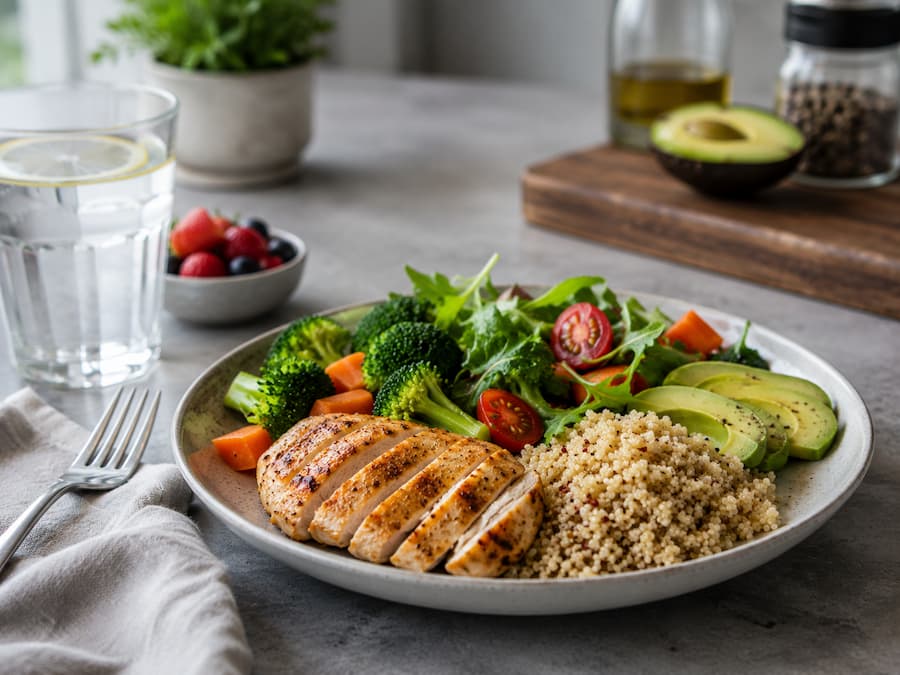
The internet has turned the calorie deficit into fitness mythology.
Some people explain it like advanced rocket science. Others treat it like punishment for enjoying food.
In reality, a calorie deficit is surprisingly simple.
You consume slightly fewer calories than your body burns over time. That is the foundation of fat loss.
The problem is not the calorie deficit itself. The problem is how aggressively people try to create one.
Many weight loss plans immediately cut calories so drastically that people spend the entire day thinking about food, staring emotionally at snacks, and convincing themselves that black coffee counts as happiness.
That approach rarely lasts.
Sustainable weight loss is not about eating as little as possible. It is about creating a calorie deficit you can realistically maintain without feeling physically and mentally exhausted.
What Is a Calorie Deficit?
Your body requires energy every day for:
- breathing
- digestion
- movement
- exercise
- body temperature regulation
- normal organ function
This energy comes from calories.
When calorie intake stays slightly lower than calorie expenditure over time, the body begins using stored energy, including body fat.
That process is called a calorie deficit.
The keyword here is slightly.
A moderate deficit is usually more sustainable than an extreme one.
Why Extreme Dieting Usually Backfires
One of the biggest mistakes people make is trying to lose weight as quickly as possible.
This often leads to:
- very low-calorie diets
- skipping meals
- removing entire food groups
- excessive cardio
- poor energy levels
- intense cravings
Initially, the scale may drop quickly.
But much of that early loss is often water weight and glycogen depletion. Meanwhile, hunger increases, mood worsens, and the diet becomes harder to maintain.
Research shows that aggressive restriction can increase hunger hormones and reduce satiety, making overeating more likely later.
This is one reason many people lose weight rapidly, then regain it just as rapidly.
The Goal Is Satiety, Not Suffering
A successful calorie deficit should still allow you to:
- feel reasonably full
- function properly at work
- exercise with energy
- enjoy meals
- maintain social life
- stay consistent long term
If your diet constantly feels miserable, your body and brain will eventually try to escape it.
That is not weakness. That is biology.
Protein Is Your Best Friend During Fat Loss
Protein is one of the most important nutrients for sustainable weight loss.
It helps:
- increase fullness
- reduce cravings
- support muscle maintenance
- improve recovery
- stabilize appetite
Meals low in protein often leave people hungry soon after eating.
Good protein sources may include:
- eggs
- paneer
- Greek yogurt
- chicken
- fish
- tofu
- dal
- beans
- whey protein
One of the simplest ways to improve a diet is to add more protein before trying complicated restrictions.
Fiber Helps You Stay Full Longer
Fiber slows digestion and improves satiety.
This means fiber-rich meals can help reduce overeating naturally.
Foods high in fiber include:
- vegetables
- fruits
- oats
- legumes
- chia seeds
- whole grains
- beans
Interestingly, many people trying to lose weight eat less food overall but still consume very little fiber.
The result?
A stomach that feels personally betrayed by lunchtime.
Volume Eating Can Make Dieting Easier
Some foods provide high volume with relatively fewer calories.
This helps people feel physically fuller while staying within calorie goals.
Examples include:
- salads with balanced toppings
- soups
- vegetables
- fruits
- air-popped popcorn
- yogurt bowls
- high-protein meals with vegetables
Compare:
- a handful of chips versus
- a large bowl of fruit and yogurt
The second option usually provides better fullness for fewer calories.
Liquid Calories Are Sneakier Than They Look
Many people underestimate how quickly drinks can increase calorie intake.
Examples include:
- sugary coffee drinks
- sodas
- packaged juices
- milkshakes
- alcohol
Liquid calories are often less filling than solid foods.
This means people may consume large amounts without feeling satisfied.
Even healthy-looking smoothies can become extremely calorie-dense depending on ingredients.
Sometimes weight loss progress improves simply by becoming more aware of what is being consumed between meals.
You Do Not Need to Remove Rice or Roti
One of the most common myths in weight loss is that carbohydrates are automatically bad.
Carbohydrates are not the enemy.
Portion size, overall calorie intake, food quality, and activity levels matter far more.
Rice and roti can absolutely fit into a calorie deficit when:
- portions are balanced
- meals include protein and fiber
- overall calorie intake remains appropriate
Extreme food restriction often increases cravings and makes diets harder to sustain.
A balanced approach usually works better long term.
Small Habits Create Large Differences Over Time
People often search for dramatic fat-loss shortcuts.
But sustainable progress usually comes from repeated small behaviors.
Examples include:
- walking more daily
- improving sleep
- eating slower
- increasing protein intake
- reducing mindless snacking
- improving hydration
- cooking more meals at home
These habits may sound simple. That is exactly why they work.
Complex plans often fail because they are difficult to repeat consistently.
Why Sleep Matters More Than People Think
Poor sleep affects:
- hunger hormones
- cravings
- recovery
- energy levels
- decision-making around food
Research shows sleep deprivation can increase appetite and preference for high-calorie foods.
This explains why people often crave sugary or processed foods after poor sleep.
Trying to maintain a calorie deficit while constantly sleep-deprived is like trying to win a football match while forgetting half your team at home.
Tracking Creates Awareness
Many people underestimate calorie intake without realizing it.
Tracking food for even a short period can increase awareness around:
- portion sizes
- snacking habits
- liquid calories
- protein intake
- meal patterns
The goal of tracking is not obsession. It is awareness.
Sometimes the biggest breakthroughs happen when people finally see where extra calories are quietly entering their routine.
What a Sustainable Calorie Deficit Actually Looks Like
A realistic fat-loss approach usually includes:
- moderate calorie reduction
- balanced meals
- sufficient protein
- fiber-rich foods
- regular movement
- flexibility
- proper sleep
- consistency
Not starvation. Not punishment. Not surviving emotionally on cucumber slices.
HealthyHold Take
A calorie deficit should help your body feel lighter, healthier, and more energized over time.
It should not make you feel exhausted, angry at everyone around you, or emotionally attached to bakery displays.
The most effective fat-loss plans are usually the ones people can realistically maintain for months, not days.
Small sustainable habits consistently outperform extreme dieting in the long run.
Weight loss works best when your routine supports your goals instead of constantly fighting against them.