
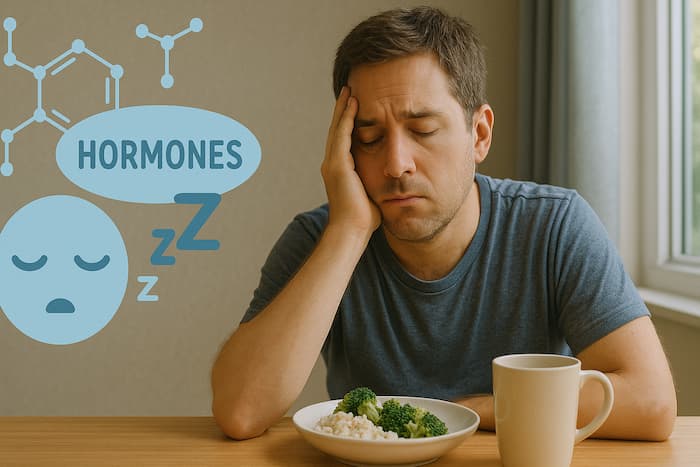
You know that moment after lunch when your eyelids suddenly feel heavier than your workload? When your brain stops cooperating, your body slows down, and your mind quietly whispers, “Let’s nap for just ten minutes”? This post-lunch slump is a universal experience that proves humans are essentially advanced smartphones. We function well until the battery hits twenty percent after lunch.
At HealthyHold, we like to decode everyday problems with real science, simple logic, and a bit of humor. Here is why your body suddenly wants to take a nap right after eating.
Your Body Isn’t Lazy. It’s Just Doing Its Job.
When you eat, your digestive system activates fully. Your stomach, intestines, enzymes, hormones, blood supply, and brain chemistry all start working. To ensure smooth digestion, your body diverts extra energy and blood toward your gut.
Imagine your body as a company. After lunch, every department continues working, but the digestive team suddenly demands more staff. The result is slightly fewer resources available for alertness, and your eyelids start negotiating with gravity.
The Blood Flow Theory: A Classic but Not the Whole Truth
The old belief was that blood rushes to your stomach after eating, leaving your brain under-supplied and sleepy. Research shows the reduction in brain blood flow is actually very small. Your brain is not starving. Something else is at play.
The Hormone Story: Insulin, Tryptophan, and Melatonin
When you consume carbohydrates such as rice, roti, pasta, or desserts, your blood sugar rises. In response, your body releases insulin. Insulin helps move nutrients into cells, but it also influences your brain chemistry.
Here is the important part: insulin indirectly increases the amount of tryptophan entering your brain. Tryptophan converts to serotonin, and serotonin converts to melatonin. Melatonin is your sleep hormone.
Your afternoon sleepiness is not laziness. It is biochemistry. This is why heavy, carbohydrate-rich lunches feel especially sleep-inducing.
Your Internal Clock Also Plays a Role
Your circadian rhythm, the body’s natural clock, naturally dips between 1 PM and 3 PM. Even without food, you may feel a slight drop in alertness during this time.
Combine that natural dip with a warm meal, a comfortable chair, and an air-conditioned room, and sleepiness becomes almost guaranteed.
The Meal Type Matters More Than You Think
- High-carbohydrate meal: leads to a larger insulin spike and stronger sleepiness.
- High-fat meal: takes longer to digest, making your body work harder and causing a sharper energy drop.
- High-protein meal: causes less dramatic sleepiness, although overeating protein can still make digestion demanding.
- Mixed heavy meal: delicious but very likely to trigger a strong post-lunch slump.
It’s Not Just the Food. It’s Also How You Eat.
If your lunch routine includes eating fast, overeating, and then sitting still immediately afterward, you have created the perfect food-coma recipe. Your body prefers slow eating, moderate portions, and a little movement afterward, but schedules often do not support that.
Common Non-Food Reasons for Post-Lunch Sleepiness
- Not sleeping enough at night: your body will try to recover lost sleep during the day.
- Dehydration: low water intake reduces alertness.
- Stress: cortisol fluctuations can drain energy in the afternoon.
- Sedentary lifestyle: long periods of sitting naturally induce sleepiness.
Simple Ways to Avoid the Afternoon Crash
- Eat a balanced lunch with protein, fiber, and moderate carbohydrates. Avoid heavy oily meals.
- Stop eating when comfortably full. Overeating increases sleepiness.
- Walk for ten minutes after lunch. Movement improves alertness.
- Drink water throughout the day. Hydration supports energy levels.
- Sleep well at night. Lack of sleep makes afternoon fatigue unavoidable.
- Avoid sugary desserts or beverages after lunch. They cause a rapid spike and quick crash.
You are not weak or lazy. Feeling sleepy after lunch is a predictable response created by digestion, hormones, blood sugar changes, and your internal clock. With a few smart adjustments, you can reduce the afternoon slump and stay productive.