
Ask someone about protein, and there is a good chance the conversation immediately turns into:
- chicken breast
- protein shakes
- gym diets
- or a person aggressively carrying a steel shaker bottle everywhere like it contains national secrets
But protein is not reserved only for bodybuilders.
Protein plays a major role in:
- muscle maintenance
- recovery
- satiety
- metabolism
- immunity
- healthy aging
- overall body function
And despite what social media sometimes suggests, you do not need to survive entirely on imported powders and boiled broccoli to improve your protein intake.
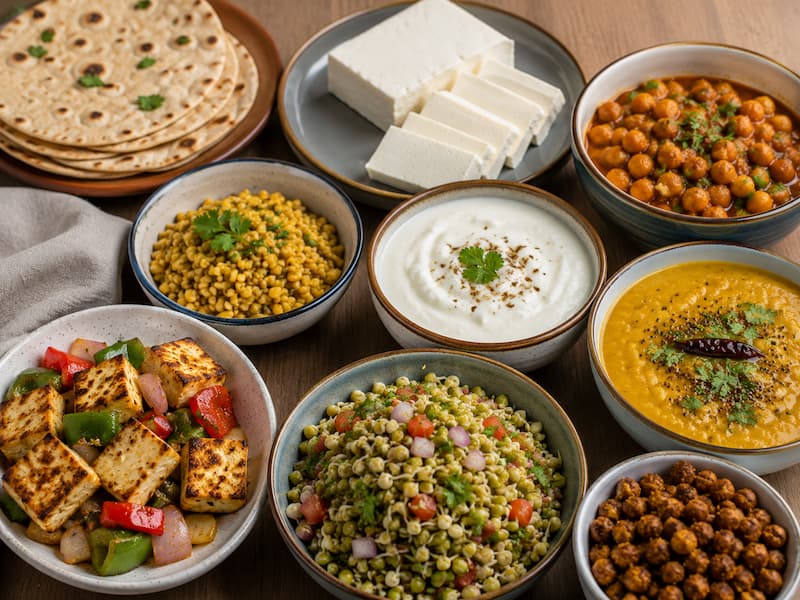
Many traditional Indian foods naturally contain substantial amounts of protein.
The issue is not always lack of protein foods. It is usually lack of awareness, poor meal balance, and heavily carbohydrate-focused eating patterns.
Why Protein Matters More Than Most People Think
Protein helps support:
- muscle repair
- fullness after meals
- stable energy
- recovery from exercise
- healthy body composition
Higher protein intake is also associated with improved satiety, meaning people often feel fuller for longer after protein-rich meals.
This becomes especially important during weight loss because protein may help reduce cravings and preserve lean muscle mass.
The Common Indian Diet Problem
Many Indian meals are heavily centered around:
- rice
- roti
- snacks
- fried foods
- tea-time carbohydrates
while protein sources remain relatively small.
For example:
- one bowl of dal with multiple rotis may still provide less protein than many people assume.
The solution is not removing traditional foods. It is improving meal balance.
1. Dal Is Good, But Quantity Matters
Dal is one of the most widely consumed protein sources in Indian households.
Options like:
- moong dal
- masoor dal
- toor dal
- urad dal
contain plant-based protein along with fiber and micronutrients.
However, small servings may not provide enough protein alone.
Combining dal with:
- curd
- paneer
- sprouts
- tofu
- legumes
can significantly improve total meal protein.
2. Paneer Is One of the Most Practical Protein Foods
Paneer is rich in protein and relatively easy to include in Indian meals.
It can work well in:
- curries
- wraps
- salads
- sandwiches
- snacks
- breakfast dishes
Paneer also supports satiety, making meals feel more filling.
The main challenge is portion awareness because some paneer dishes contain enough oil to qualify as emotional support food.
3. Greek Yogurt and Curd Are Underrated
Curd provides:
- protein
- calcium
- probiotics
- digestive support
Greek yogurt generally contains even higher protein concentration because excess liquid is strained out.
Adding curd alongside meals is one of the simplest ways to improve protein intake without dramatically changing eating habits.
4. Chana and Rajma Provide Protein Plus Fiber
Chickpeas and kidney beans contain:
- plant protein
- fiber
- complex carbohydrates
- minerals
Their combination of protein and fiber improves fullness and energy stability.
Meals containing legumes often feel more satisfying compared to highly refined foods.
5. Sprouts Are Small but Powerful
Sprouts are frequently underestimated.
Sprouted:
- moong
- chana
- mixed legumes
provide protein along with improved digestibility and micronutrient availability.
They work well in:
- salads
- chaat
- sandwiches
- breakfast bowls
And unlike complicated internet recipes, sprouts usually do not require owning twelve rare ingredients and a professionally lit kitchen.
6. Soya Chunks Contain Surprisingly High Protein
Soya chunks are one of the most protein-dense vegetarian foods available.
They are:
- affordable
- versatile
- filling
- high in protein
When cooked properly with balanced seasoning and vegetables, they can fit effectively into high-protein meal plans.
7. Eggs Are One of the Most Efficient Protein Sources
Eggs provide high-quality protein along with important nutrients.
They are also highly versatile.
Options include:
- omelets
- boiled eggs
- egg bhurji
- wraps
- sandwiches
Protein-rich breakfasts often improve fullness and reduce excessive snacking later in the day.
8. Peanuts and Seeds Add More Than Just Crunch
Foods like:
- peanuts
- chia seeds
- flaxseeds
- pumpkin seeds
contain protein along with healthy fats and micronutrients.
They can improve the nutritional quality of:
- smoothies
- yogurt bowls
- snacks
- salads
- oats
Portion awareness still matters because nuts and seeds are calorie-dense.
9. Tofu Is Becoming Increasingly Popular
Tofu provides plant-based protein and works well in:
- stir-fries
- curries
- wraps
- rice bowls
Many people who struggle with low protein intake benefit simply from adding tofu or paneer to existing meals.
10. Milk Still Counts
Milk contains protein along with calcium and other nutrients.
While it may not be extremely high in protein compared to concentrated sources, it still contributes meaningfully across the day.
Especially when combined with:
- oats
- smoothies
- protein-rich breakfasts
The Real Goal Is Meal Balance
One of the biggest mistakes people make is obsessing over single foods instead of looking at the full day.
Protein intake improves most effectively when meals consistently include protein sources across:
- breakfast
- lunch
- snacks
- dinner
Small improvements throughout the day usually work better than trying to consume massive amounts in one meal.
High Protein Does Not Mean Extreme Dieting
Improving protein intake does not require turning every meal into a bodybuilding competition.
Most people simply benefit from:
- slightly more protein
- better meal balance
- improved satiety
- reduced processed snacking
Sustainable nutrition should still feel realistic, enjoyable, and culturally familiar.
Why Protein Helps During Weight Loss
Protein supports fat loss by helping:
- maintain muscle mass
- increase fullness
- reduce cravings
- improve recovery
This is one reason balanced high-protein meals often feel easier to sustain than highly restrictive low-protein diets.
HealthyHold Take
Protein does not need to be complicated, expensive, or disconnected from traditional eating habits.
Many Indian kitchens already contain excellent protein sources. The real difference usually comes from awareness, balance, and consistency.
A healthier approach is not about eliminating normal foods. It is about building meals that support energy, fullness, recovery, and long-term sustainability.
Because sustainable nutrition works best when it fits naturally into everyday life instead of feeling like a temporary punishment plan.