
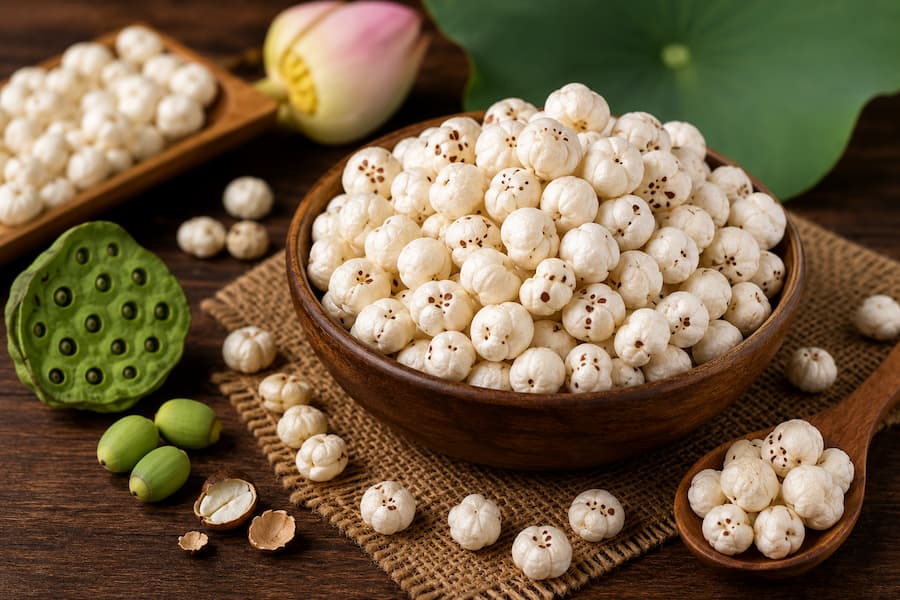
A few years ago, makhana mostly lived in Indian kitchens, festive recipes, and fasting meals.
Now it appears everywhere.
Protein snack aisles. Airport shelves. Wellness influencers. Expensive ‘healthy snack’ boxes with minimalist packaging and suspiciously tiny serving sizes.
Somewhere along the way, makhana quietly rebranded itself.
But many people still search one very basic question:
What is makhana called in English?
The answer is:
Makhana is commonly called fox nuts or lotus seeds in English.
It comes from the seeds of the Euryale ferox plant, which grows in water bodies and is closely associated with parts of India and East Asia.
Despite the name, fox nuts are not actually nuts. They are puffed seeds.
And nutritionally, they are quite different from highly processed snack foods they are often replacing.
Why Makhana Became So Popular Again
Makhana is not a new food.
Indian households have consumed it for generations, especially during fasting periods.
What changed is modern eating behavior.
People are increasingly looking for snacks that feel:
- lighter
- less processed
- easier to portion
- more filling than chips
- compatible with weight-management goals
Makhana fits surprisingly well into that space.
Its mild taste also makes it extremely adaptable.
It can be:
- roasted
- lightly seasoned
- added to curries
- mixed into trail blends
- used in desserts
- eaten as a tea-time snack
Which is impressive for something many people ignored for years while emotionally committing to packaged snacks instead.
What Does Makhana Taste Like?
Plain roasted makhana has a light, airy crunch with a very mild flavor.
Some people compare it loosely to popcorn, although the texture is softer and less aggressive on the teeth.
Its neutral taste is actually one reason it works well with:
- spicy seasonings
- herbs
- black pepper
- peri-peri flavors
- light ghee roasting
- sweet preparations
Makhana absorbs flavor easily without becoming overly heavy.
Is Makhana Actually Healthy?
Makhana is often marketed aggressively as a ‘superfood.’
That word gets used so frequently online that even regular vegetables are probably becoming uncomfortable.
Still, makhana does contain several nutritional qualities that make it a reasonably balanced snack option when consumed appropriately.
It provides:
- carbohydrates for energy
- small amounts of protein
- minerals such as magnesium and phosphorus
- relatively low saturated fat
Compared to many deep-fried packaged snacks, roasted makhana is generally lighter and less calorie-dense by volume.
The preparation method still matters.
Heavily fried or excessively salted versions are nutritionally different from lightly roasted ones.
Why Makhana Often Feels More Filling Than Processed Snacks
One reason people enjoy makhana during weight-management phases is volume.
A decent serving creates physical fullness without feeling extremely heavy.
Highly processed snacks are often:
- calorie-dense
- easy to overeat
- engineered for hyper-palatability
Makhana tends to encourage slower eating because of its texture and lighter flavor profile.
That does not make it magical.
But replacing ultra-processed snacks with simpler alternatives may help improve overall dietary quality over time.
Makhana and Modern Snacking Habits
Modern snacking has changed dramatically.
Many people now snack while:
- working
- watching shows
- scrolling on phones
- commuting
- attending online meetings
This often leads to mindless eating.
Makhana works well partly because it creates a middle ground between:
- highly processed junk food and
- unrealistic ‘perfect eating’ expectations
People generally sustain healthier habits better when food still feels enjoyable and practical.
Is Makhana Good for Weight Loss?
No single food directly causes weight loss.
But makhana can fit well into balanced weight-management routines because it is:
- relatively light by volume
- easy to portion
- less greasy than many packaged snacks
- versatile for healthier snacking
The bigger factor is overall eating patterns.
A balanced diet, movement, sleep quality, and portion awareness matter much more than any individual food.
Still, swapping heavily processed snacks for roasted makhana may help some people improve calorie awareness and snack quality.
Does Makhana Contain Protein?
Makhana does contain some protein, although internet claims often exaggerate the amount.
It is not comparable to major protein sources like:
- paneer
- eggs
- chicken
- Greek yogurt
- tofu
However, when combined with:
- nuts
- seeds
- yogurt
- balanced meals
it can contribute to overall dietary variety and satiety.
Why Traditional Foods Are Returning
One interesting trend in nutrition is the return of traditional foods.
Many people are rediscovering foods that existed long before modern ‘wellness marketing’ arrived.
Foods like:
- makhana
- ragi
- sattu
- jowar
- amla
are gaining popularity partly because they align well with growing interest in:
- minimally processed eating
- regional foods
- balanced snacking
- sustainable nutrition
Sometimes modern wellness trends are simply old kitchen habits wearing better packaging.
The Problem With Turning Every Food Into a Miracle
One important thing worth mentioning:
Healthy foods do not need exaggerated claims to be valuable.
Makhana does not need to:
- detox the universe
- melt fat instantly
- become spiritually transformative
It can simply be a practical, balanced snack option.
That alone is enough.
Practical Ways to Include Makhana
Makhana can work well as:
- roasted evening snacks
- light travel snacks
- crunchy additions to trail mixes
- ingredients in kheer or curries
- alternatives to heavily fried snacks
Preparation style matters.
Light roasting with controlled seasoning usually works better than heavily processed packaged versions loaded with sodium and oils.
HealthyHold Take
Makhana became popular again partly because modern eating habits created demand for lighter, simpler snack options.
And unlike many wellness trends, makhana already existed quietly in traditional kitchens long before social media discovered it.
It is not a miracle food. But it can absolutely fit into a balanced lifestyle as a practical, versatile, and relatively lighter snack option when compared with highly processed alternatives.
Sometimes healthier eating is not about finding exotic solutions. It is simply about rediscovering better everyday choices that were already sitting in the kitchen all along.